The birth of 돼지국밥(Dwaeji Gukbap): a bowl simmered through an age of hunger
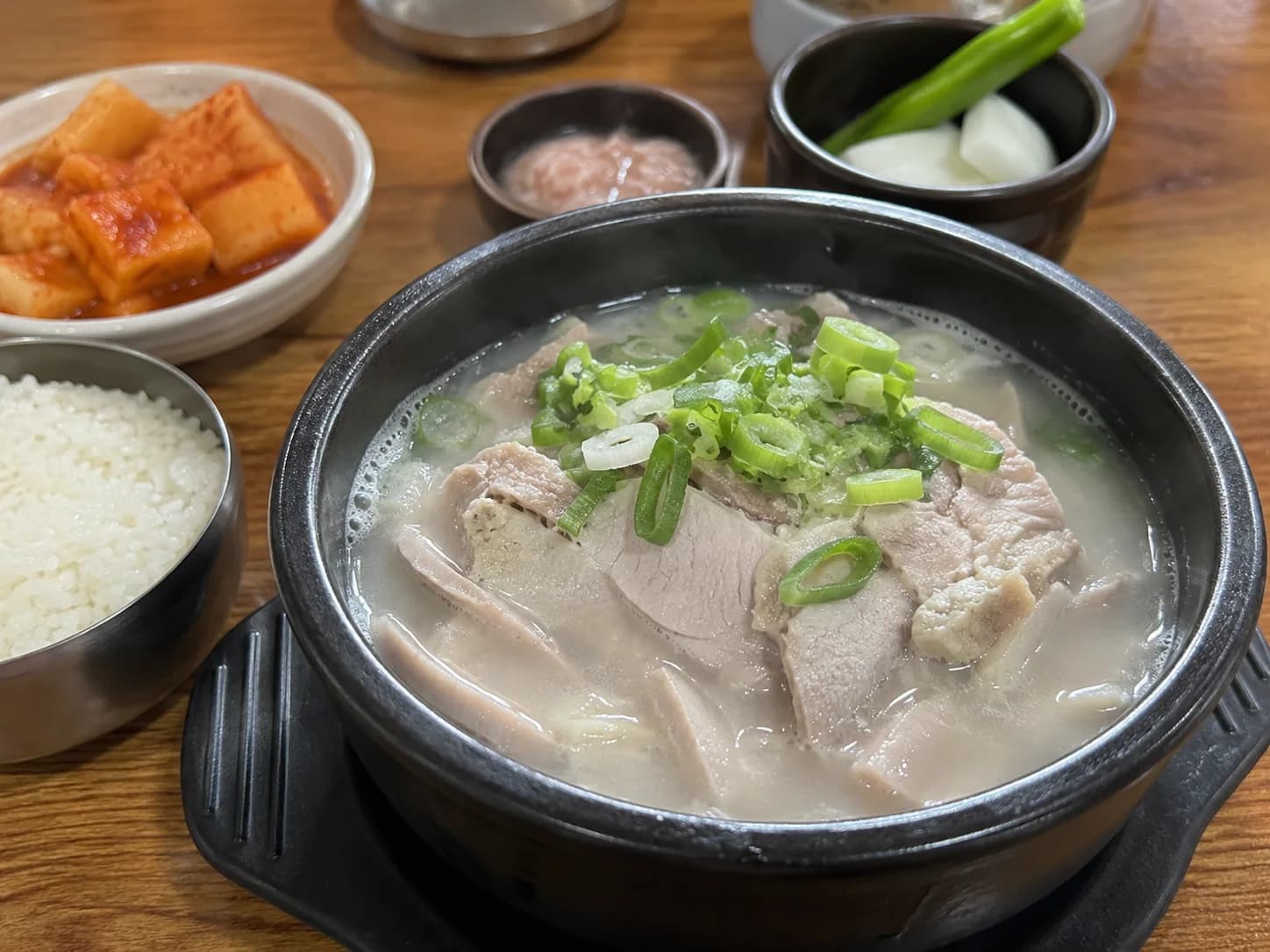
For people in 부산(Busan), 돼지국밥(Dwaeji Gukbap), pork and rice soup, needs no introduction.
Some restaurants simmer bones into a milky broth; others boil only meat for a clear, refreshing soup. Whatever its color, a spoonful of fermented shrimp, some chives and minced garlic turn each steaming bowl into a complete meal.
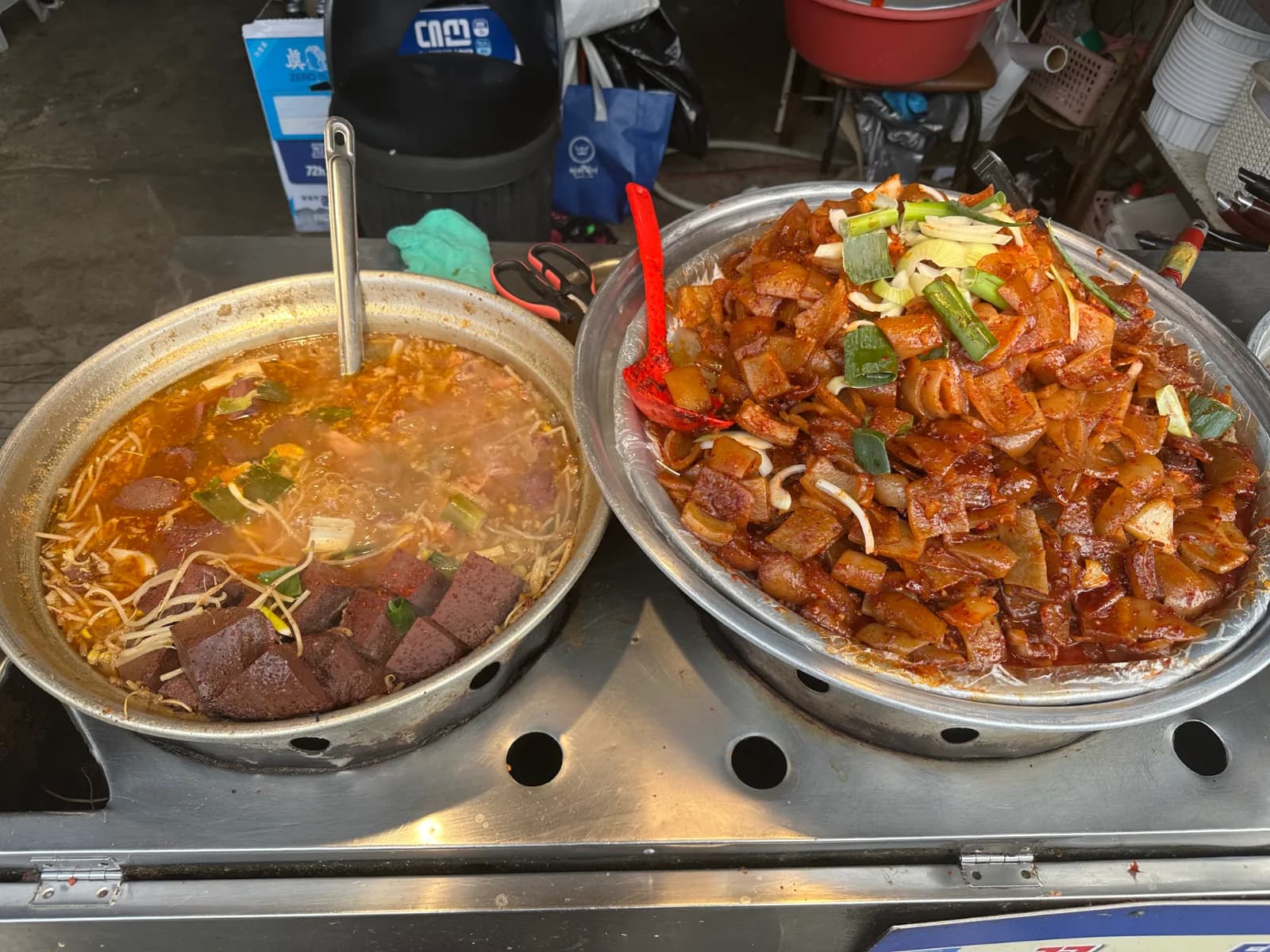
From dawn until late at night, throughout the year, the clatter of earthenware bowls and the smell of simmering bones fill the lanes around these soup shops.
Yet tracing this familiar bowl back to its beginnings reveals no single neat answer. Several stories intertwine in its origins, and the different colors of its broth reflect those intertwined histories.
The best-known account begins with the Korean War. When war broke out in 1950, refugees from across the country flocked to Busan, the temporary capital.
Many who came from the north had enjoyed 가릿국밥(Garit Gukbap), a beef and rice soup, back home. In their new refuge, however, beef was precious and hard to obtain.
The American military bases scattered around the city offered another source: pork bones, head meat and scraps left over from processing. Refugees simmered these inexpensive ingredients for hours, producing a rich broth that naturally turned milky and thick.
Pork replaced beef to feed hungry people. In this account, the recipe for Garit Gukbap met the circumstances of Busan, giving rise to the milky pork soup we know today.
But the dish's roots cannot easily be confined to one city. The name 밀양돼지국밥(Miryang Dwaeji Gukbap), particularly common on local restaurant signs, offers a clue.
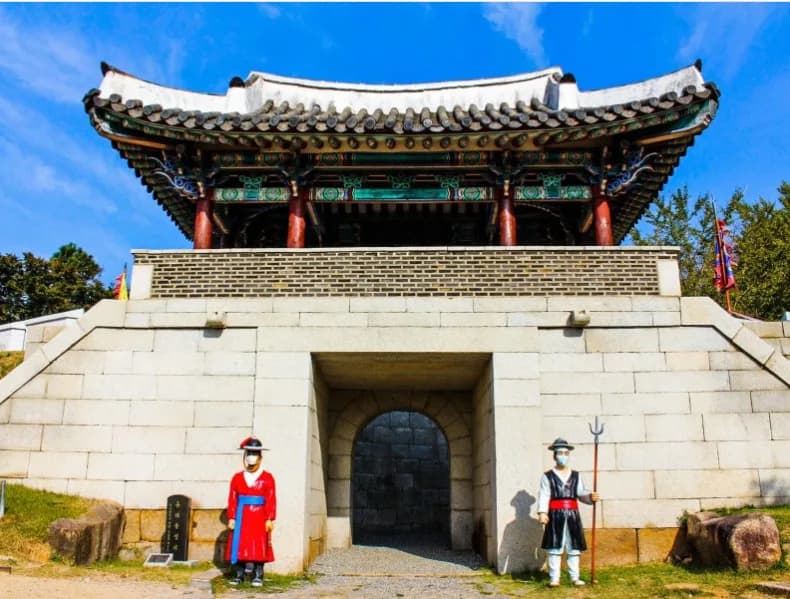
In 밀양(Miryang), pork soup shops were already operating around the 무안(Muan) market in 1938, more than a decade before the war. The story goes that traders on market days began eating rice in the broth used to boil pork to satisfy their hunger.
This Miryang style relied on meat for a clear broth rather than long-simmered bones, unlike the thick, milky Busan style. After the war, people moving from Miryang to Busan brought their cooking methods with them.
A regional dish that existed in Gyeongsangnam-do before the war and a substitute meal devised by northern refugees thus met in one city. Clear and milky broths took their places side by side.
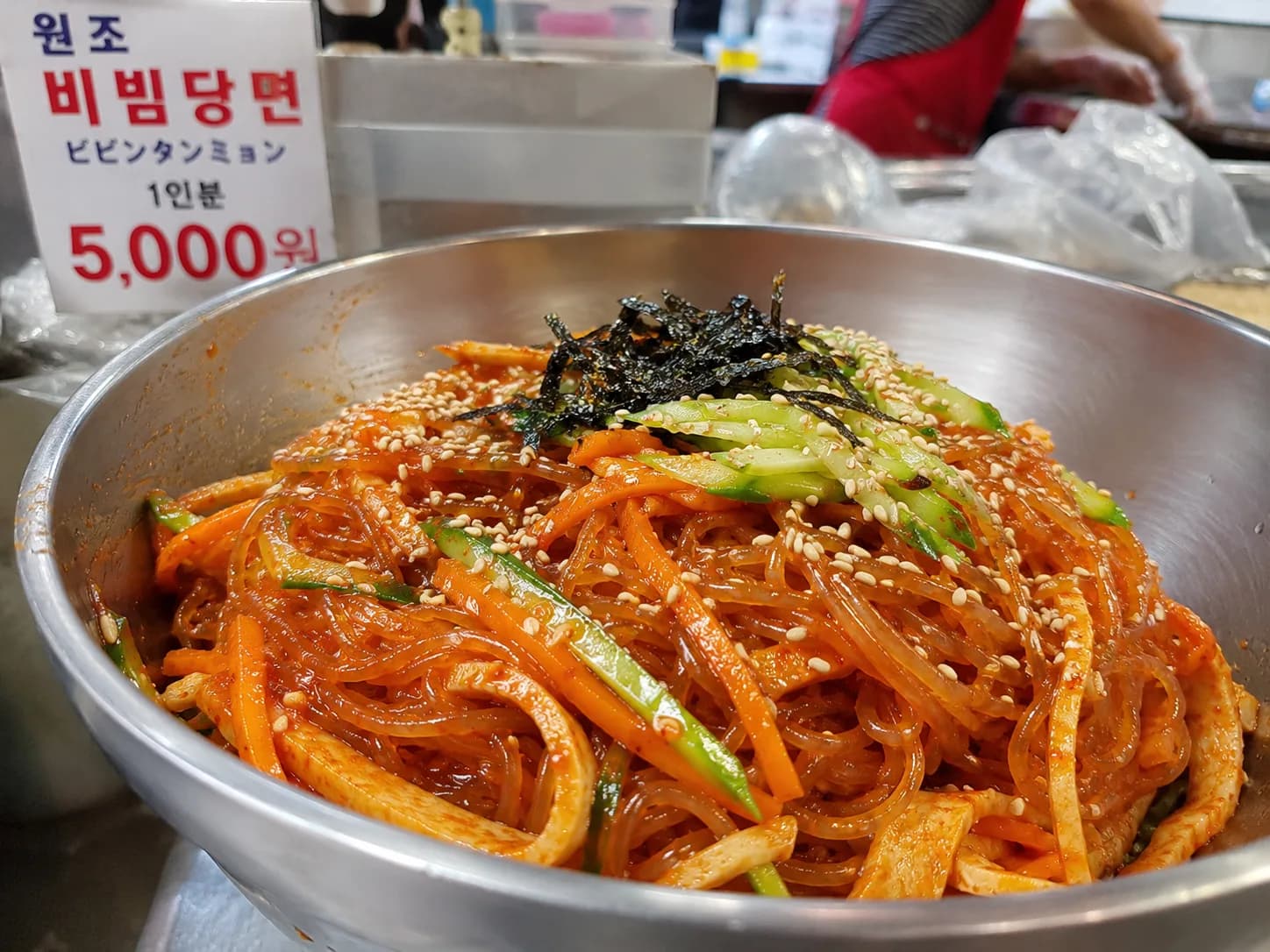
The stories of 우암동(Uamdong) and 범일동(Beomildong) also belong here. These neighborhoods, crowded with refugees, were also the birthplace of 밀면(Milmyeon), wheat noodles served cold.
For people living in tents, soup with rice was one of the few cheap, filling meals available. Simmering pork bones in a cauldron all day and carefully cooking even the remaining scraps for each bowl was a practical wisdom born of survival.
Whether the broth was clear or milky, the aim was the same: feed as many people as possible with very little.
The coexistence of several origin stories and different broths need not mean one is right and another wrong. It shows that the dish was shaped by its era rather than invented by a single person.
The homesickness of those displaced by war, the long experience of market people and the urgency of impoverished refugee life came together in the bowl we eat today.
The Busan and Miryang styles now influence one another, blurring their boundaries. Even so, each restaurant's choices of broth clarity, depth and toppings still carry traces of different roots.
So the next time you face a bowl, clear or milky, remember that it contains more than stock made from pork bones or meat.
Simmering within it are the hunger of people driven from their homes to the southern edge of the country and the ingenuity of hands determined to fill that hunger.
Northern Garit Gukbap, the soup of Miryang's markets and the desperation of refugee settlements accumulated in this bowl. It belongs to Busan as a whole, beyond any one person or region.
Busan's pork and rice soup is a record of people feeding one another and enduring where war had torn their lives apart.